
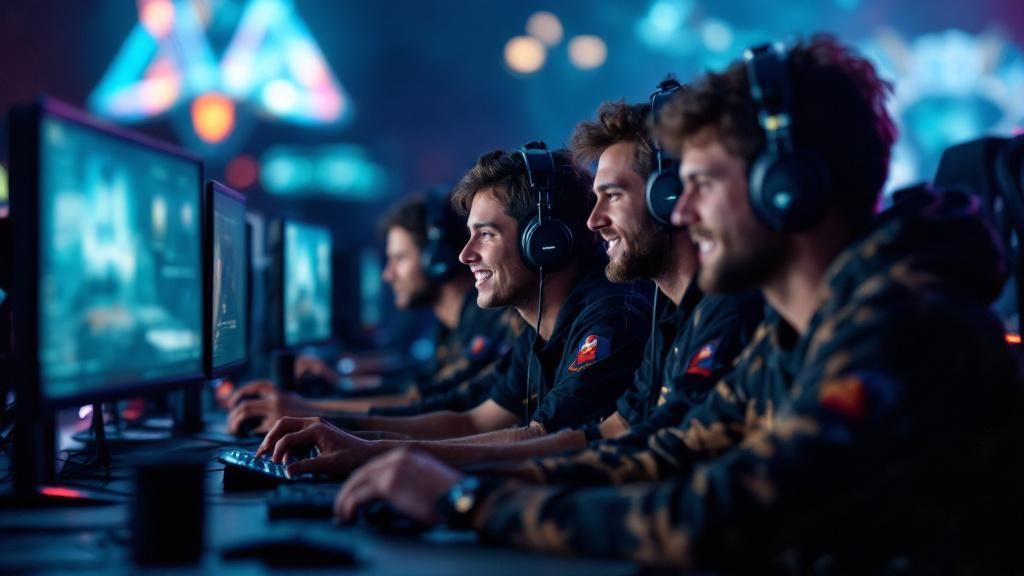
In an ever more connected world, gaming on mobile devices has gone beyond simple entertainment to function as a significant driver for authentic interpersonal bonds. Competitive tournament play across gaming platforms like PUBG Mobile and Call of Duty: Mobile has fostered thriving global communities where players forge meaningful friendships whilst battling for supremacy. This piece examines how esports competitions unite individuals across continents, examining the psychological bonds formed through shared passion, collaborative teamwork, and the common ground of competitive play that transforms recreational players into lifelong companions.
The Growth of Mobile Gaming Communities
The widespread growth of smartphones and improved internet connectivity has revolutionised the gaming landscape, enabling millions of players worldwide to engage in competitive multiplayer experiences from virtually anywhere. What began as simple casual gaming has grown into a complex ecosystem of coordinated groups, professional tournaments, and specialised platforms. Mobile gaming communities have grown exponentially, with titles such as PUBG Mobile, Clash Royale, and Call of Duty: Mobile attracting hundreds of millions of active players. This unprecedented scale has opened up unprecedented opportunities for community engagement and competitive engagement on a global scale.
These rapidly expanding communities have substantially altered how gamers engage and form relationships. Rather than disconnected play, mobile gaming now supports shared networks where players from diverse geographical and cultural backgrounds converge around shared interests. Tournament structures, leaderboards, and ranked systems have structured competitive play, setting out clear pathways for progression and achievement. The availability of mobile devices has opened up competitive gaming, removing traditional barriers to entry and enabling emerging players to demonstrate their skills internationally. Consequently, friendships forged within these communities often go beyond virtual spaces, becoming genuine meaningful relationships.
Developing Strong Friendships Via Competitive Activities
Competitive tournament play acts as a notable catalyst for forging authentic bonds amongst mobile gamers worldwide. When players play against one another in organised tournaments, they experience shared triumphs and defeats that forge profound emotional bonds. These experiences transcend geographical boundaries, allowing individuals from different cultural backgrounds to understand each other fundamentally. The intensity of tournament play cultivates shared respect and empathy between participants, converting casual players into trusted teammates and enduring friends who celebrate victories together and help each other through challenges.
The cooperative nature of squad competitions strengthens relationship building exponentially. Players must engage in clear communication, develop strategies collectively, and rely upon each other’s strengths and experience. This interdependence builds mutual respect and belonging that extends well beyond individual matches. Squad members develop inside jokes, collective moments, and a sense of belonging within their gaming networks. The ongoing communication required for competitive readiness strengthens these bonds progressively, building social networks that deliver personal encouragement, shared gaming experiences, and authentic bonds that many participants regard with equal importance to their offline relationships.
Tournament victories and defeats alike contribute meaningfully to building friendships. Marking accomplishments together reinforces team unity, whilst navigating losses together develops emotional strength and understanding. Players learn to appreciate their teammates’ capabilities, work around limitations, and collaborate effectively towards shared goals. These shared experiences create an indelible foundation for lasting friendships that commonly develop across different gaming platforms and extend into wider social connections, demonstrating competition’s unique ability to connect people authentically.
Global Competitive Formats and Competitive Play
The landscape of competitive mobile gaming has transformed significantly over the past decade, establishing complex organisational models that support contests on an never-before-seen worldwide level. Leading esports bodies and software creators have committed significant resources in creating structured league systems, area-based qualifying rounds, and international championships that cater to vast numbers of competitors across the globe. These tournaments function across different divisions, from entry-level community tournaments to formally regulated tournaments offering substantial prize pools. The uniform structures ensure fair competition whilst allowing competitors across different regions to test themselves against each other, fostering a sense of belonging within the wider gaming community and showing that ability goes beyond borders and cultural differences.
Tournament competition formats have proven to be crucial in establishing transparent advancement routes for would-be professional players and casual enthusiasts alike. Ranked seasons, ranking ladders, and performance-driven progression systems encourage continuous engagement and personal improvement amongst players. The transparent nature of competitive play—where performance metrics are publicly displayed and accomplishments are widely acknowledged—creates an atmosphere of merit-based recognition that attracts competitors looking for validation and recognition. Furthermore, the incorporation of live streaming platforms and spectator modes has transformed competitive mobile gaming events into communal events, allowing millions of observers to watch thrilling matches whilst simultaneously strengthening the connections between players and fans who celebrate victories and commiserate defeats together.
The Social Repercussions of Formalised Gaming Tournaments
Structured competitive gaming have substantially altered how gamers view rivalry and collective participation. These tournaments serve as catalysts for authentic connection, transcending geographical boundaries and cultural differences. When competitors engage on a worldwide platform, they experience a common sense of mission that deepens relationships amongst participants. The formal design of competitive events creates opportunities for competitors to demonstrate their talents and concurrently building respect amongst peers. This context fosters genuine friendships that frequently reach beyond the gaming arena into ordinary routines, showing that organised tournaments function as meaningful relationship builders in the digital age.
The cascading impacts of these gaming events extend throughout broader societies, inspiring younger players and fostering exemplars within the professional gaming environment. Elite-level events transmitted internationally show that gaming carries genuine cultural value, motivating competitors to invest emotionally in their social circles. Players regularly indicate that competitive involvement has improved their self-assurance and collaborative competence with diverse individuals. Moreover, the financial backing and journalistic focus accompanying high-profile competitions legitimise gaming as a authentic cultural practice, inspiring relatives and peers to support professional competitors. This recognition transforms individual gaming pursuits into celebrated cultural phenomena that deepen connections worldwide.
